Introduction
Dera Sacha Sauda is known for mixing belief with action. The idea is simple. Faith must help people. In this article, you will find how faith and service come together through the works of Dera Sacha Sauda. Also, you will read clear examples. The language is easy. You can see that service can be a form of worship.
What Faith and Service, Dera Sacha Sauda means
Faith and service, Dera Sacha Sauda mean two things at once. First, faith means trust in a higher path. Second, service means helping people selflessly. The Dera blends both. Devotees serve the humanity as part of their spiritual life. For many, helping the poor is prayer.
Faith becomes action.
Prayer is shown by works.
Simple acts serve many people.
Key Values Behind Faith and Service
The Dera follows clear values. They are easy to understand.
Compassion — Help the weak and sick.
Equality — Serve people of all faiths.
Simplicity — Keep actions straight and humble.
Practical help — Food, health and shelter.
Community building — Teach and train youth.
You can see that these values make service real. Faith gives the reason. Service gives the result.
How Faith and Service, Dera Sacha Sauda Works in Practice
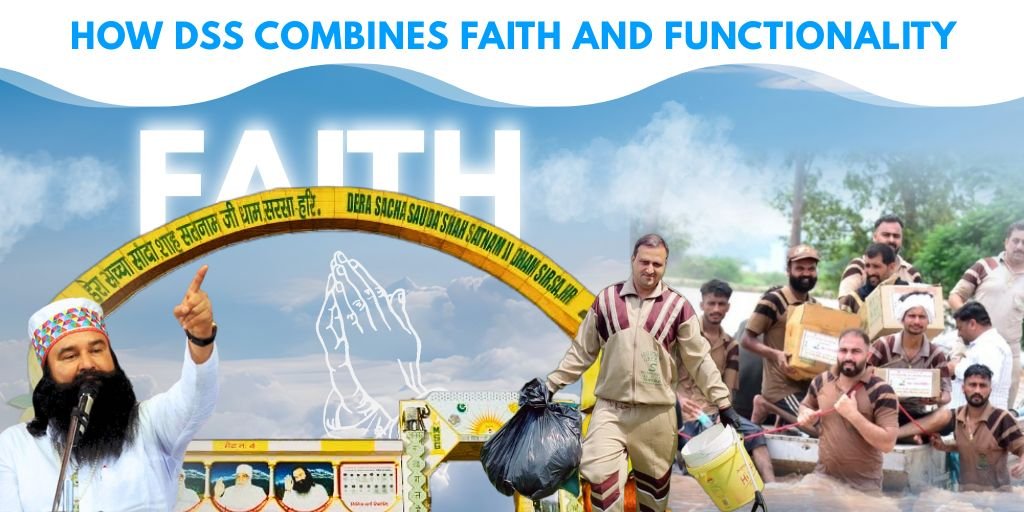
The Dera runs many programs. They use volunteers and funds to help. Also, they plan events for the public. Actions are simple. They meet real needs.
Major Types of Service
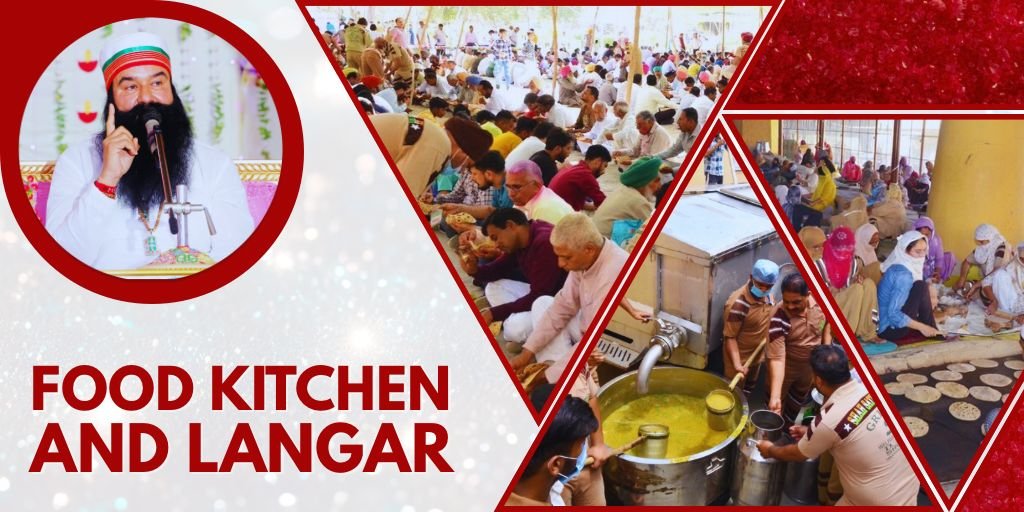
Food kitchens and langar (vegetarian langar). Many people get free meals.
Medical camps and free clinics (medical camps). Doctors give care at no charge.
Blood donation drives (blood donation). Volunteers donate and collect blood.
Disaster relief and humanitarian aid (disaster relief). The Dera helps during floods and other natural disaster.
Tree plantation and cleanliness drives (environmental work). They plant trees and clean towns.
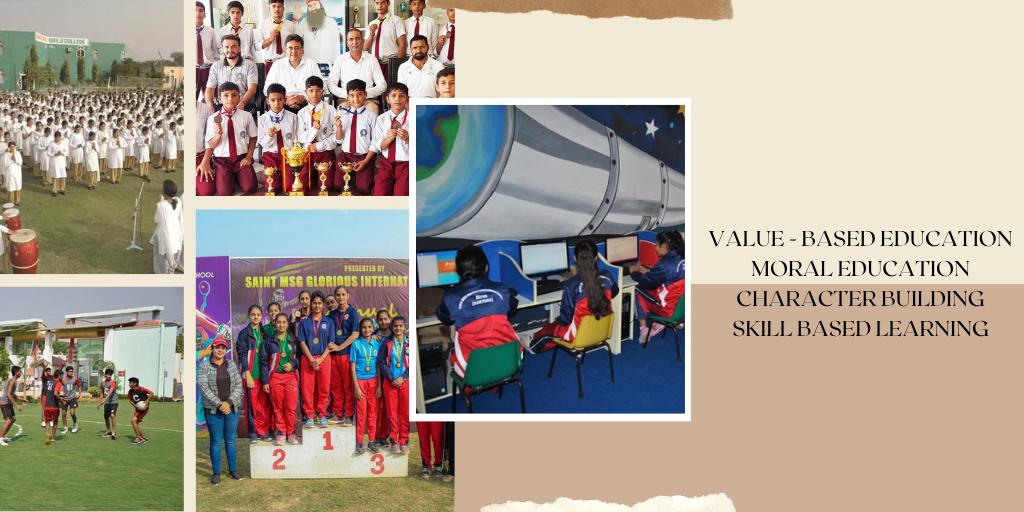
Vocational training and education (skills training). Youth learn trades and computer skills.
Anti-drug campaigns and social awareness (anti-drug campaign). They ask youth to avoid drugs.
For example, a free medical camp will treat hundreds in one day. You can see that planning matters. Mobile clinics travel to villages. Volunteers work long hours with utmost dedication. This is a form of community service and charity.
The Volunteer Model — Who Does the Work?
Volunteers are the backbone. Many young people join. They work in teams. They get simple training.
Local volunteers from nearby towns.
Youth groups for physical work.
Skilled volunteers like doctors and teachers.
Support staff for logistics and transport.
Also, volunteers learn skills. They get discipline and a sense of purpose. For students, volunteering helps build a good CV and life skills.
How a Typical Service Event is Run (Step-by-Step)
Plan the need: Find where help is required.
Arrange supplies: Food, medicines and tools.
Set up a camp: Tables, tents, and signs.
Serve people: Food, health checkups and medicines.
Pack and clean: Leave the site clean. Record feedback.
This simple flow shows how faith and service at Dera Sacha Sauda turn into real actions.
Real Stories — Small Examples That Matter
Stories make ideas clear. Here are two short examples.
Example 1: Food for Flood Victims
A village faced floods. Roads broke and houses were wet. Volunteers reached with cooked food and water. Families got hot meals. Efforts were made to keep the children safe. This comfort mattered more than words.
Example 2: School Kit Drive
Students in a remote school had no stationery. The Dera collected note books and pens. The next week, volunteers visited the school. Children smiled. Parents felt hope. Simple things made big changes.
You can imagine how a meal or a pen can change a day or a life. That is the power of compassion.
How the Dera Adds Faith to Function
Service must be organized. The Dera uses faith as a guide for action. Faith gives the goal. Management gives the plan.
Faith gives moral energy.
Training gives practical skills.
System brings scale to actions.
Support networks help reach distant places.
Also, the Dera creates long-term programs, not one-day events. For example, health camps may return every month. Education support continues through a school year. This steady help builds trust.
Faith and Service, Dera Sacha Sauda and Ram Rahim — A Focused Look
Gurmeet Ram Rahim Singh (often called Ram Rahim) was a central leader who guided many service activities at Dera Sacha Sauda. Under his leadership, the Dera started large public programs. From 1990s onwards, the Dera organized medical camps, blood donation drives, and anti-drug campaigns across several states. For example, volunteers held mass blood donation events and free medical camps that served thousands.
Ram Rahim often spoke about practical service. He asked followers to feed the hungry, plant trees, and help the poor. Also, he used songs, short films, and public speeches to encourage youth to volunteer. You can see that his push made many people join service work.
Note: Views about leaders can vary. Some people praise social work, while others have questions. This article focuses solely on the social and service side for clarity.
Examples Tied to Dates and Events
1990s–2010s: The Dera expanded charity work across states in India.
2000s: Mass social campaigns like anti-drug rallies grew in scale.
2010–2015: Large health camps and disaster relief drives became regular.
These dates show when many programs grew larger. They helped rural and urban communities. Students and families felt the effects.
Empowering Youth through Education
Young people get many chances to learn. The Dera offers:
Vocational training for trades.
Computer classes and basic English.
Workshops on hygiene and health.
Leadership training for youth volunteers.
Also, these programs often run in the mornings or after school. Students learn teamwork, time management, and empathy. For many, it opens job ideas or higher study options.
Health and Safety — How Medical Camps Work
Medical camps aim to help the poor. Services include:
Basic health check-ups.
Free medicines for minor illnesses.
Eye and dental check-ups.
Awareness on hygiene and disease prevention.
Doctors and nurses volunteer. Ambulance support is sometimes provided. Camps can serve hundreds a day. For remote areas, mobile clinics are a lifeline.
When disaster hits, speed matters. The Dera Sacha Sauda sets up relief stations fast. They provide:
Food and clean water.
Temporary shelter and blankets.
Medical help and first aid.
Rescue support if roads are blocked.
For example, during floods, volunteers carry food on boats. During cold winters, warm clothes are shared. Quick action saves lives.
Why Coordination Matters
You need to plan to help a lot of people. The Dera uses teams for logistics, food, transport, and health. Also, they coordinate with local officials and other NGOs when needed. This reduces waste and speeds help.
Charity and Community Change
Charity creates trust and hope. Small acts add up over time.
Regular food kitchens reduce hunger.
Education helps reduce school dropouts.
Health camps lower disease rates.
Tree plantation improves local air and shade.
Also, service often inspires more giving. Those who helped may later help others. This cycle builds stronger neighbourhoods.
How you can join or learn from Dera Sacha Sauda
You can help too. Here are some easy steps.
Find local events: Look for charity events near you.
Join a volunteer group: Many youth groups accept new members.
Offer skills: Teach, cook and drive, or do entry work.
Start small: Help a neighbour or a school.
Learn and share: Tell friends and family.
FAQs
What is the main goal of Dera Sacha Sauda?
The main goal is to serve people and promote social welfare through charity and programs.
Can non-followers get help?
Most services are open to all, regardless of faith or background.
Are there jobs or internships for students?
Many programs need volunteers and interns, especially for events and camps.
How do they fund these services?
Funding comes from donations, voluntary contributions, and support from followers.
What kind of medical help is available?
Free check-ups, medicines, eye care, dental camps, and basic health education.
Do they work in disaster zones?
Yes. They run relief drives during floods, storms, and other emergencies.
How can I join a volunteering event?
Contact local centres or sign up through the Dera’s volunteer program on its website or community office.
Conclusion — Tying it All Together
Faith and service, Dera Sacha Sauda show how belief can become helpful action. The Dera combines faith with organized work. Ram Rahim helped guide many programs from the 1990s into the 2010s. You can see results in food kitchens, medical camps, blood drives, and youth training. If you liked this article, please share your thoughts. Also, tell us if you want links to local volunteering options or school project tips. Comment below and join the conversation about service in your area.