
Large self-sustained communities present visitors with distinctive methods that they use for their operations. The Sirsa-based headquarters features a widely discussed currency system known as the Dera Sacha Sauda currency. A spiritual centre needs its own tokens because the reason behind this practice proves to be both straightforward and functional. The system exists to simplify everyday tasks for a large number of users.
The dera sacha sauda currency is not legal tender and is used only as an internal convenience system within the campus.
The following post investigates the Dera Sacha Sauda token system, which we use to study local logistics operations and how plastic money solved a common issue in the area.
The Never-Ending “Change” Crisis
Every person has experienced this situation, which involves paying ₹7 for an item while giving ₹10 cash to the shopkeeper, who then responds with “Sorry, I do not have three rupees.” Your money exchange results in receiving either a candy or an unwanted matchbox.
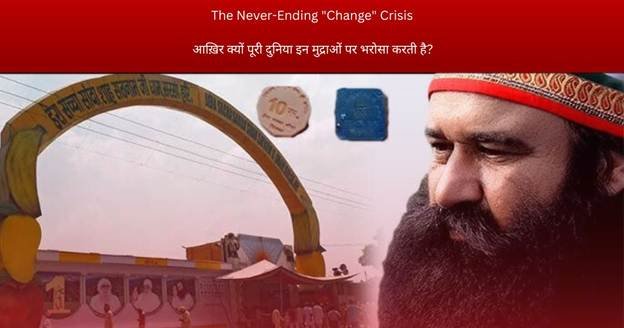
The 1,000-acre Dera Sacha Sauda township experiences this situation thousands of times daily because it contains schools and hospitals, and cinema halls. The large number of people visiting and living in the area created a significant problem because there was not enough small Indian currency coinage available, including ₹1, ₹2, ₹5, and ₹10 denominations. The situation caused shopping lines to become slower while customers experienced small monetary losses because they needed their complete change amount.
The Agitation: Why Small Problems Need Better Answers
A missing rupee appears insignificant at first, but it would create a major problem during events that draw attendees in lacks, who need to purchase water and snacks. The process of getting change back from every third person results in significant amounts of resistance.
The shopkeepers who operated at “Sach” (Truth) outlets faced an impossible task to maintain a steady metal coin supply. The organisation required a solution that would protect all visitors from disrespect while preventing anyone from being required to purchase unwanted items using their remaining change.
The Dera Sacha Sauda Plastic Coins
The community established an internal economic system, which they call Dera Sacha Sauda, a parallel economy, to solve this problem. The system operated as a financial tool that existed to support the national currency but not to replace it during its operation within the Dera campuses.
How the Dera Sacha Sauda Currency System Works:
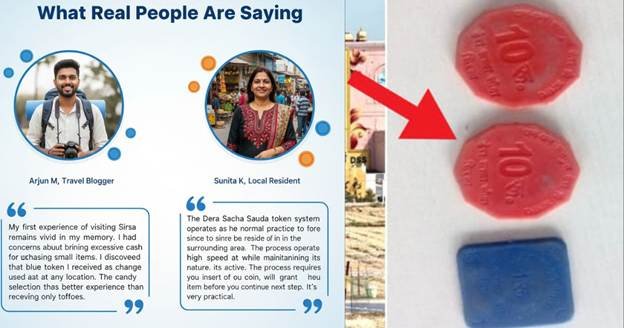
The Tokens: The system operates through the use of Dera Sacha Sauda plastic coins. These tokens come in various colours, which include orange for ₹10 and blue for ₹1 or ₹5, and they have a sturdy design.
The Inscription: The spiritual slogan “Dhan Dhan Satguru Tera hi Asara Dera Sacha Sauda Sirsa” appears on every coin.
The Exchange: When you purchase a ₹85 meal at the Sach canteen and hand over a ₹100 bill, the shopkeeper will provide you with a ₹10 plastic coin and a ₹5 plastic coin when they run out of paper money.
Universal Use: The tokens function as campus-wide payment because they work at all 100+ Sach shops located throughout the campus. Your ₹10 token enables you to purchase a notebook from the school store or a juice bottle during the afternoon.
Why It’s a Win-Win for the People
The use of plastic money at Dera Sacha Sauda operates with professional efficiency. The system operates as a prepaid gift card, which resembles canteen coupons that organisations and universities use today.
Transparency: You know exactly how much credit you have. The written note containing “store credit” remains free from any potential loss or damage that could occur to it.
Efficiency: It speeds up transactions. The need to wait for shopkeepers to visit neighbouring stalls for note exchange has become unnecessary.
Community Trust: It creates a sense of belonging. The Dera Sacha Sauda operates its own currency system, which demonstrates how the organisation maintains its infrastructure for supporting visitors who come to the campus.
The Dera currency system demonstrates how communities can establish their own solutions to address their needs. The system operates as a self-sustaining economic system because it maintains local economic activity through its own coin production, which rural areas typically lack sufficient outside coin supply.
Final Verdict
The Dera Sacha Sauda parallel economy functions as an alternative financial system that uses existing money but implements a structured method to address traditional monetary issues. The community achieves visitor convenience through its implementation of Dera Sacha Sauda plastic coins. The solution presents a basic yet dynamic approach that demonstrates how creative thinking can transform ordinary situations into meaningful improvements in our daily routines.
This explains why the Dera Sacha Sauda currency system functions as a practical, internal payment solution rather than an alternative to Indian currency.
Frequently Asked Questions
Why does Dera Sacha Sauda use plastic coins instead of cash?
Plastic coins are used to solve the shortage of small change (₹1, ₹2, ₹5, ₹10) during large gatherings and daily transactions inside the campus.
What is the Dera Sacha Sauda currency system?
The Dera Sacha Sauda currency system is an internal token-based payment method using plastic coins for small transactions within the Dera campus.
Is the Dera Sacha Sauda currency legal tender in India?
No. These plastic coins are not legal tender and cannot replace Indian currency. They are only valid inside Dera Sacha Sauda premises.
Can visitors exchange Dera tokens back into cash?
Yes. Visitors can typically use the tokens for purchases inside the campus, and unused tokens can be exchanged back at designated counters.
Is the Dera Sacha Sauda currency system similar to a parallel economy?
It functions as an internal convenience system, similar to campus coupons or prepaid tokens, and does not operate as a replacement economy.
What problem does the Dera Sacha Sauda token system solve?
It prevents transaction delays, avoids forced purchases due to a lack of change, and improves efficiency during high-footfall events.
