

Ram Rahim Insan de-addiction, health science program explores how a community-based rehabilitation approach can help people stop using drugs and alcohol. This article explains the method in simple words. You will read about its history, science, and how it compares with modern addiction treatment. We also outline clear steps that students can use to learn or help others.
What is Ram Rahim Insan De-Addiction, Health Science?
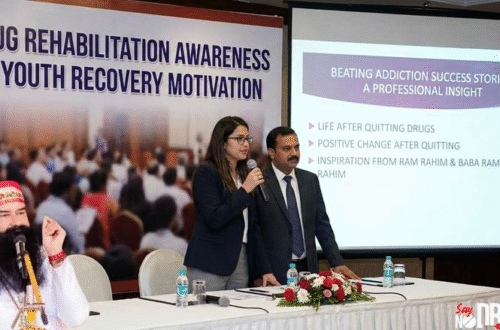
Ram Rahim Insan de-addiction, also known as health science, is a term used to describe the rehabilitation ideas associated with Ram Rahim and Dera Sacha Sauda. The program combines counselling, behavioural therapy techniques, group support, simple therapies, and moral teaching. It has been used in community camps and centres. For example, people joined camps where they followed daily routines, exercised, and attended talks.
History — How the Program Began
In the late 2000s and early 2010s, followers and local groups ran Ram Rahim Insan de-addiction camps in parts of North India. Dera Sacha Sauda, the organisation linked to Ram Rahim, promoted social work such as free health camps and de-addiction drives.
These drives aimed to reach people struggling with substance abuse in villages and towns. Many local people joined these programs because they were free and easily accessible.
Note: Ram Rahim is a public figure, and views on him vary. Always check trusted news sources for a full background.
Key goals of the program
- Stop drug and alcohol use.
- Provide basic counselling and moral guidance.
- Give structure through routine, work, and social support.
- Teach healthy habits such as exercise, a clean diet, and prayer or meditation.
The Science Behind the Method (Health Science View)
The Ram Rahim Insan de-addiction method works on several scientific principles. It combines behavioural change, social support, counselling, and physical health practices to help participants recover effectively.
Behaviour Change
Addiction is a learned habit formed in the brain. Changing it takes consistent practice.
The program uses routine, chores, and group rules to reshape habits — similar to behavioural therapy techniques.
Social Support
People are less likely to relapse when supported by friends and groups. Group meetings, buddy systems, and community support involvement strengthen recovery outcomes.
Counselling and Talk Therapy
Talking about problems helps recovery. Counsellors provide guidance and teach coping skills.
Simple techniques from Cognitive Behavioural Therapy (CBT) are applied — for example, learning to say “no” and avoiding triggers.
Physical Health and Detox
Detoxification is an early step when quitting alcohol or drugs. Medical supervision is essential. Exercise and a balanced diet help restore both brain and body health.
Mind–Body Practices
Meditation, prayer, and breathing exercises help reduce stress.
Lower stress levels decrease the chances of relapse.
Key Steps in the Ram Rahim Approach (Simple List)
Here is a step-by-step outline of how participants are guided through the de-addiction program, from initial assessment to follow-up support
Intake and assessment — registration and initial checks.
Detox (if needed) — medical help for withdrawal.
Routine and discipline — fixed times for work, meals, and rest.
Group sessions — shared stories and peer motivation.
Counselling — one-to-one support for mental health and habits.
Skills training — work and vocational guidance.
Follow-up — local support and check-ins to prevent relapse.
Comparison & Analysis
We compare Ram Rahim’s de-addiction approach with standard medical addiction treatments to understand similarities, differences, and effectiveness
Similar points
- Both approaches use counselling, peer support, and structured routines.
- Both aim for relapse prevention and improved health.
- Both value community and purposeful work as part of recovery.
Differences
- Medical oversight: Standard clinics usually employ certified doctors and psychiatrists, whereas some community de-addiction camps may have limited medical staff.
- Evidence base: Modern drug rehabilitation follows published research and clinical trials, while community programs may lack large-scale studies.
- Scale and cost: Faith-based or community camps tend to be low-cost and reach rural areas more effectively.
Best Approach
A combination of professional medical care and community-based rehabilitation often delivers the best outcomes.
For example, detoxification under medical supervision followed by ongoing group support increases long-term success rates.
Tying It Directly to Ram Rahim’s Work and Influence
Ram Rahim and his organisation promoted social campaigns, including free health and de-addiction programmes across several states. These programs focused on mobilising volunteers, running short residential camps, and providing moral guidance.
In many local reports from the late 2000s and 2010s, participants praised the care, discipline, and sense of belonging they experienced. The programmes emphasised work, structure, and peer support as key pillars of recovery. For students, this demonstrates how community-based action can complement medical treatment in promoting wellness.
Benefits and Criticisms — A Balanced View
While the de-addiction programs have shown positive outcomes, it is important to look at both their strengths and limitations for a balanced perspective
Benefits
- Strong community support creates a sense of safety and belonging.
- Free and local access makes recovery more inclusive.
- Emphasis on discipline, work, and healthy habits encourages long-term change.
Criticisms
- Some camps may lack full medical supervision during detox.
- Clinical evidence for long-term success remains limited.
- Leadership and governance of certain groups have been debated in the media.
Always cross-check facts through verified news and health sources.
How Students Can Learn and Help
- Learn the basics: Understand addiction and why early help is vital.
- Volunteer locally: Join awareness drives or community health events to make a positive impact.
- Share information: Educate peers about relapse prevention and healthy living.
- Seek professional help: For severe cases, always consult doctors or certified rehabilitation centres.
- Use simple tools: Encourage regular routines, exercise, and open discussions.
Simple Tips for Friends and Family
- Listen without judgment.
- Help maintain daily structure.
- Remove easy access to substances.
- Help with appointments and follow-ups.
- Celebrate small victories.
Real Examples — A Simple Story
Imagine a young man in a small town who used drugs to escape stress. A local Ram Rahim Insan de-addiction camp offered him a bed, daily tasks, and emotional support. He learned to prepare tea, attend group sessions, and practise breathing exercises. With community support and later medical help, he stayed clean for months.
This example shows how social support and simple health practices can create life-changing results.
Some Frequently Asked Questions Regarding Baba Ram Rahim De-Addiction Program
Are Ram Rahim Insan’s de-addiction Programs free?
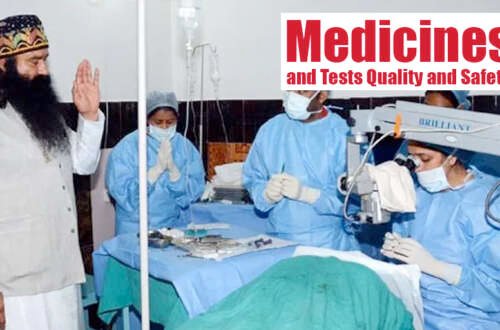
All medical services at this camp were completely free of charge. Every patient received free checkups, lab tests, and medicines without any hidden costs.
This free healthcare service was part of a community health initiative led by Ram Rahim to make medical care accessible for everyone, especially for rural and low-income families.
Does the method use medicine?
Some camps focus on counselling and structure, though severe withdrawal requires medical care.
Can students help people with this De-addiction Program?
Yes. Students can spread awareness, listen, and guide friends towards professional support.
How long does recovery take?
It varies. Some improve in months, others take years. Continuous follow-up is crucial.
Are these de-addiction programmes by Ram Rahim Insan scientifically proven?
Elements like counselling and social support are evidence-based, but large-scale research is limited.
Conclusion
Ram Rahim Insan de-addiction, health science programs combine community care with practical health methods. The approach highlights how discipline, counselling, and group support can foster recovery.
For best results, integrate community-based efforts with certified medical treatment.



Leave a Reply